

Beyond the Equinox: Festive Lights Unveils High-Efficiency Solar Range Designed for the British Spring Transition

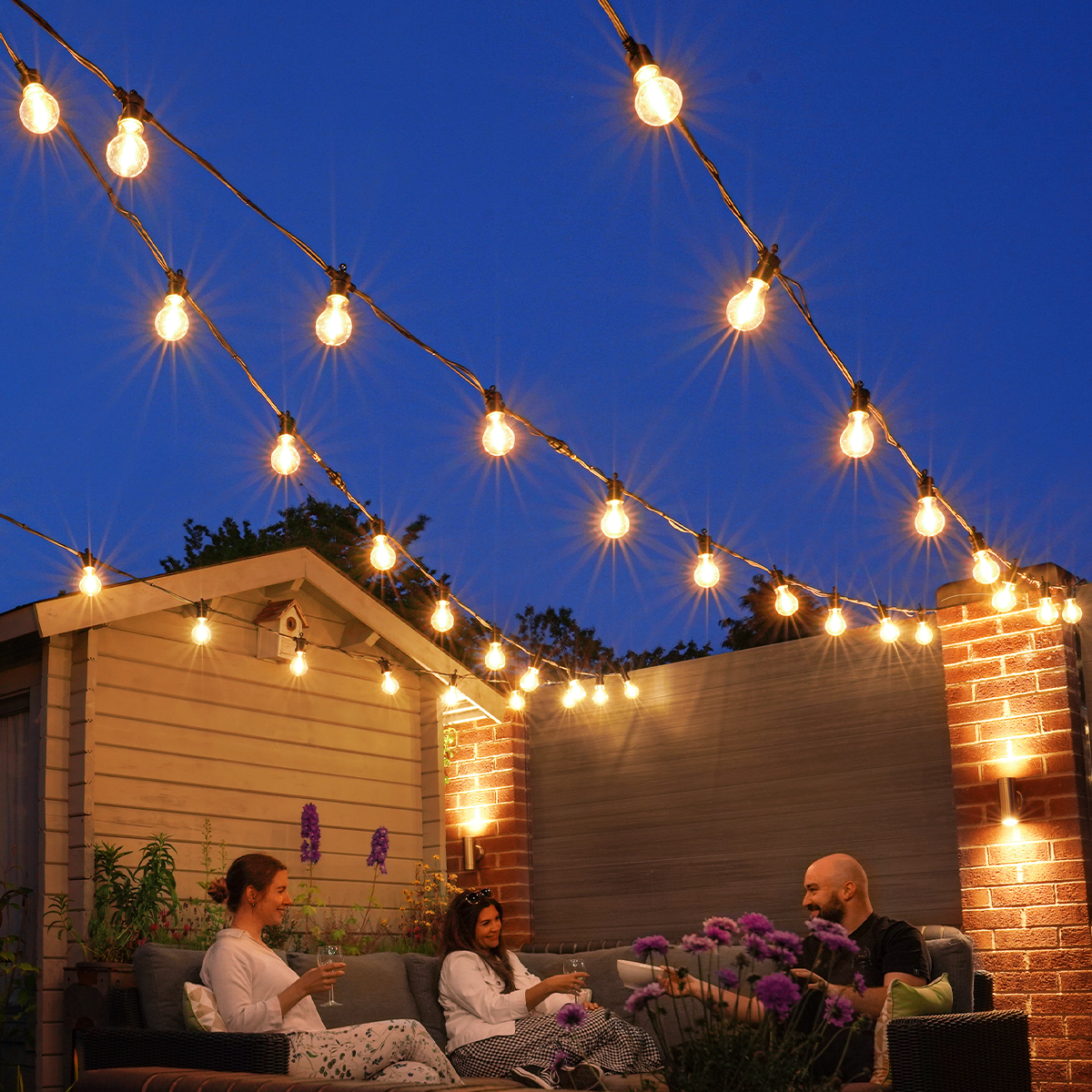
Friends relaxing under outdoor festoon lights in a cosy backyard at night.
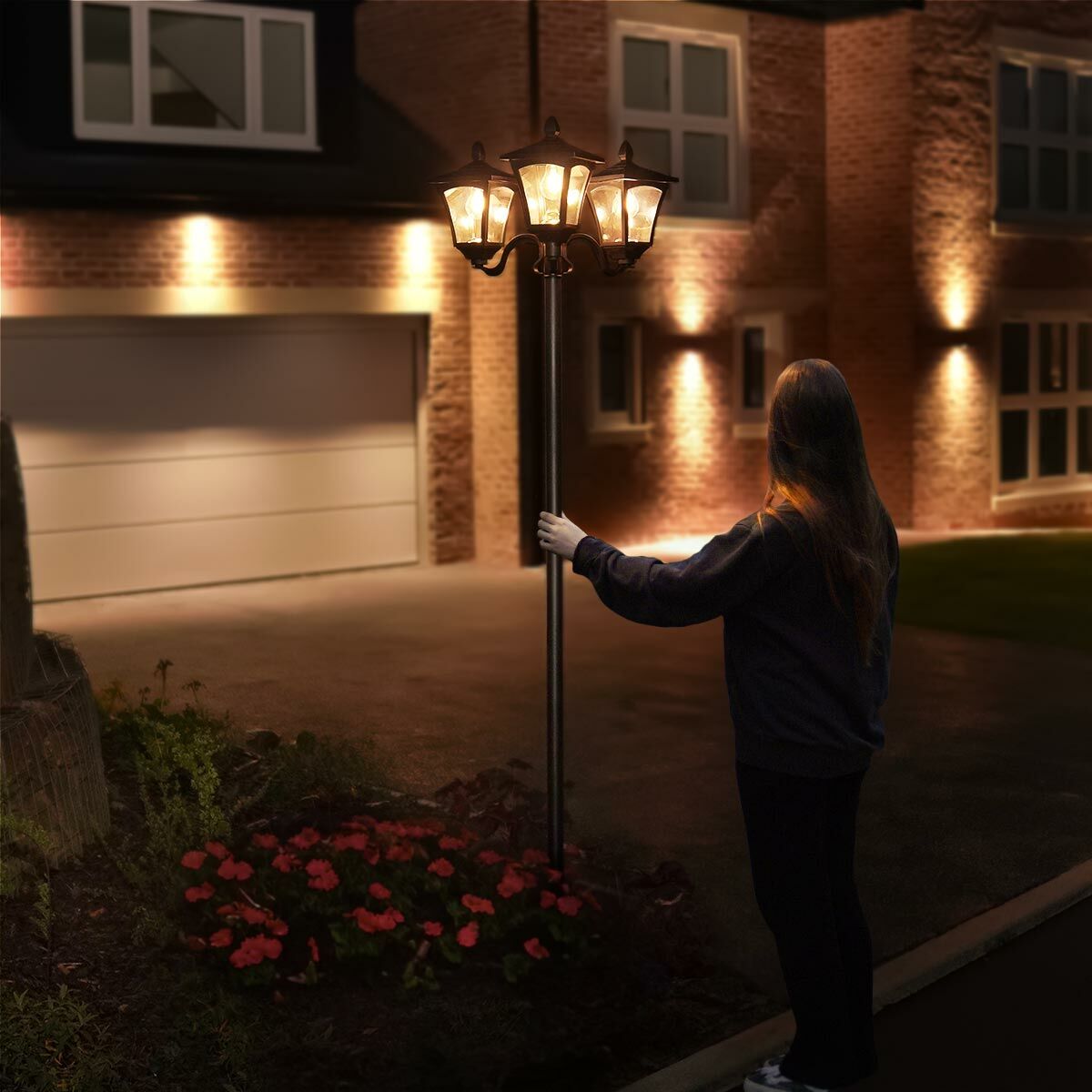
Person adjusting an outdoor lamp post in front of a modern brick house at night.
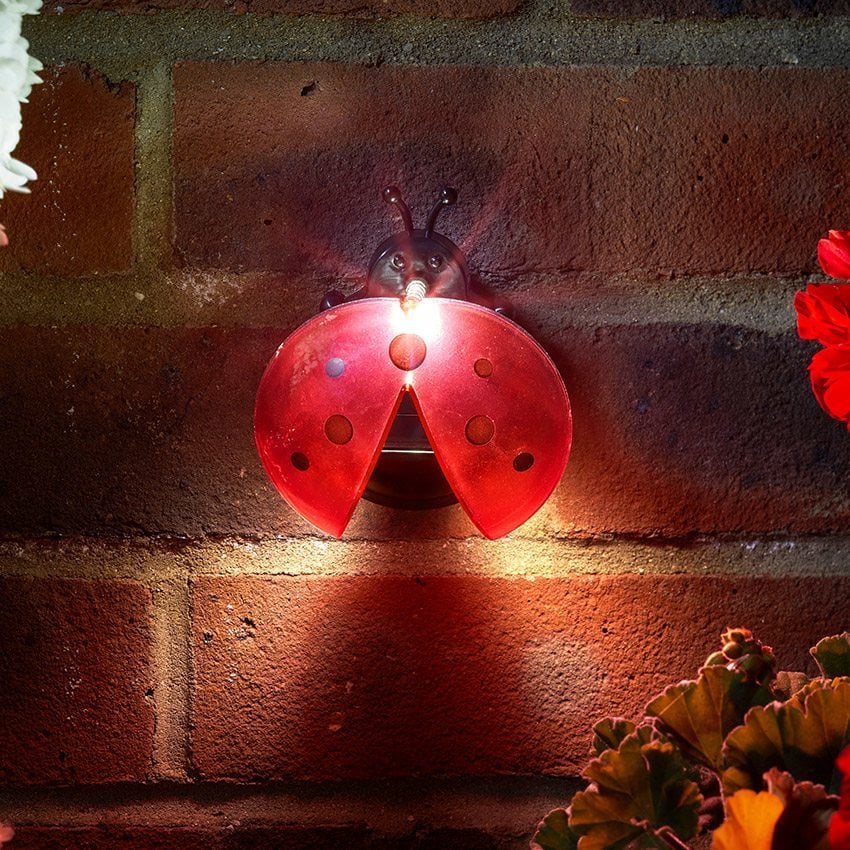
Ladybird solar wall light glowing on brick wall at night
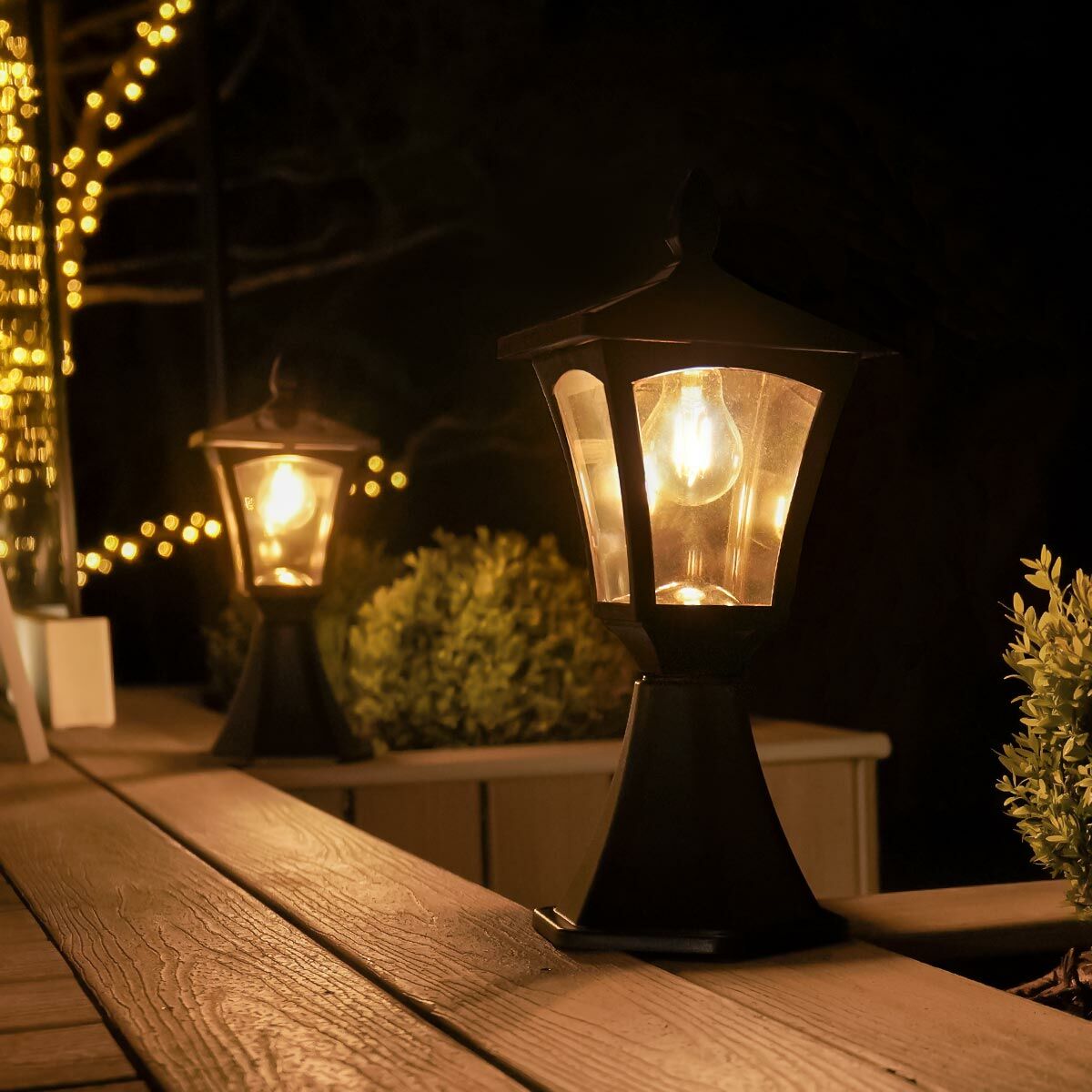
Solar garden lights illuminating wooden deck at night
Festive Lights Announces Engineering Shift Toward High-Efficiency Monocrystalline Solar Technology for Spring Seasonal Transition
CHORLEY, LANCASHIRE, UNITED KINGDOM, March 27, 2026 /EINPresswire.com/ -- Festive Lights, a British provider of decorative illumination, has formally announced the launch of its 2026 high-efficiency solar range, specifically engineered to address the low-irradiance conditions characteristic of the British spring. The new product line, which transitioned into full availability following the March equinox, marks a technical shift in the consumer solar market by prioritising monocrystalline silicon over traditional amorphous components to maintain performance during overcast weather.The announcement comes at a time when the UK renewable energy sector is seeing increased consumer demand for off-grid lighting solutions that can operate reliably outside of the peak summer months. By integrating high-purity silicon cells and increased battery capacities, the new range aims to provide consistent night-time illumination despite the diffused light levels common in the United Kingdom between March and May.
Technical Evolution in Residential Solar Harvesting
The primary challenge for solar lighting in the British Isles remains the "equinox transition," a period where daylight hours increase but cloud density often limits direct ultraviolet (UV) exposure. Standard solar decorative lights typically utilise polycrystalline or amorphous silicon, which often fail to generate the necessary voltage to trigger a full battery charge cycle when sunlight is filtered through heavy cloud cover.
To mitigate this, Festive Lights has re-engineered its core product architecture. The 2026 range utilises high-purity monocrystalline silicon cells. These cells are constructed from a single crystal structure, which allows electrons more room to move, resulting in a higher efficiency rate for converting sunlight into electricity. In laboratory testing simulating standard British overcast conditions, these panels demonstrated a significantly higher energy yield compared to previous iterations.
Furthermore, the mechanical design of the panels has been adjusted. By increasing the surface area of the primary collectors and optimising the angle of the internal diodes, the units are capable of harvesting "ambient" or diffused light. This ensures that the chemical reaction required for charging the internal power cells occurs even on days where zero direct sunlight is recorded.
Advancements in Energy Storage and Luminous Efficacy
The harvest of energy is only one half of the engineering equation. The storage and consumption of that energy are equally critical for seasonal reliability. Festive Lights has addressed these factors through two primary hardware upgrades: the integration of high-capacity Lithium-ion (Li-ion) and Nickel-Metal Hydride (NiMH) batteries, and the implementation of high-lumen-per-watt LEDs.
The new batteries act as larger reservoirs, capable of holding a greater charge than the standard cells found in entry-level solar products. This increased capacity allows the lights to remain functional during the consecutive days of heavy rain or deep cloud cover by drawing on energy stored during previous, brighter cycles.
On the output side, the range utilises advanced Light Emitting Diodes (LEDs) that have been calibrated for maximum efficacy. By increasing the brightness produced per unit of power consumed, the lights can provide a similar visual impact as traditional mains-powered units while drawing significantly less current from the battery. This balance of "high harvest" and "low draw" is the fundamental mechanism allowing for 8 to 10 hours of consistent illumination during the spring months.
Statements from Leadership
"The technical objective for this range was to move beyond the concept of solar as a 'summer-only' product," stated the Head of Product Development at Festive Lights. "We recognised that the primary frustration for the British consumer was the inconsistency of performance during the spring months. By upgrading the internal silicon purity and increasing the battery density, we have created a system that respects the geographical realities of our climate. It is an exercise in practical engineering rather than just aesthetic design."
Market Context and Environmental Implications
The move toward more robust solar lighting is reflective of a broader trend in the UK home improvement sector. As electricity costs remain a point of consideration for many households, the shift toward zero-running-cost outdoor lighting has accelerated. However, the market has historically been saturated with low-cost units that are often treated as disposable due to their short lifespans and poor seasonal performance.
Festive Lights’ shift toward "repairable" solar, featuring accessible battery compartments, represents a departure from the "sealed unit" manufacturing philosophy. By allowing consumers to replace the rechargeable cells after their natural lifespan, the company is addressing the environmental impact of electronic waste.
Infrastructure and Ingress Protection
In a journalistic assessment of the product’s build quality, the focus remains on the Ingress Protection (IP) ratings. British spring weather is characterised not only by low light but by high moisture levels. The 2026 range utilises UV-stable polymers and thermally resistant casings to prevent the structural degradation often caused by the UK’s fluctuating temperatures.
IP44 Certification: Applied to decorative items, ensuring protection against solid objects larger than 1mm and splashes of water from any direction.
IP65 Certification: Applied to security and path lighting, ensuring the units are completely dust-tight and protected against low-pressure water jets.
These certifications are essential for the longevity of the product, preventing internal corrosion, which is the most common cause of solar light failure in the United Kingdom.
The Role of Intelligent Automation
The 2026 range also features refined photocell technology. These sensors act as the "brain" of the unit, detecting the exact moment when ambient light drops below a certain lux level to trigger illumination. In previous years, these sensors could be overly sensitive, turning lights on too early during a dark afternoon and wasting battery life before nightfall. The new range uses recalibrated sensors that distinguish between a temporary "cloud shadow" and actual dusk, ensuring that the stored energy is used only when it is most effective.
For high-traffic areas, the integration of Passive Infrared (PIR) sensors in the security range allows the units to remain in a "low-glow" energy-saving mode until motion is detected. This intelligent power management is a key factor in extending the operational time of the units during the shorter days of the early spring.
Broader Industry Impact
Industry analysts suggest that the move toward higher-spec solar components in the decorative sector may force a shift across the wider retail landscape. As consumers become more educated on the differences between amorphous and monocrystalline silicon, the demand for "all-weather" solar is expected to outpace the demand for cheaper, less reliable alternatives.
The Festive Lights 2026 range includes various applications of this technology, from high-lumen festoon systems designed for the hospitality industry to architectural path lighting and decorative lanterns. Each category adheres to the same core engineering principles of high-efficiency harvesting and durable weatherproofing.
Conclusion of the Seasonal Transition Initiative
As the UK moves deeper into the spring season, the performance of outdoor infrastructure remains a key focus for homeowners and commercial property managers alike. The introduction of the "Beyond the Equinox" range by Festive Lights represents a data-driven response to the limitations of traditional solar technology. By prioritizing the physics of light conversion and the chemistry of energy storage, the company has positioned itself to meet the specific demands of the British environment.
This development signifies a maturing of the solar garden market, moving away from novelty decorations and toward reliable, year-round lighting solutions that function as a legitimate alternative to mains-wired systems.
About Festive Lights
Founded in 1999, Festive Lights is a UK-based specialist in decorative and seasonal lighting solutions. The company provides a wide range of products for residential, commercial, and large-scale public displays. Festive Lights focuses on the intersection of aesthetic design and technical durability, with a particular emphasis on developing solar technologies suited for the unique climatic conditions of the United Kingdom and Northern Europe. The company maintains a commitment to sustainability through repairable product design and the reduction of plastic waste in its global supply chain.
Jana Dalton
Festive Lights
email us here
Visit us on social media:
LinkedIn
Instagram
Facebook
YouTube
TikTok
X
Other
Legal Disclaimer:
EIN Presswire provides this news content "as is" without warranty of any kind. We do not accept any responsibility or liability for the accuracy, content, images, videos, licenses, completeness, legality, or reliability of the information contained in this article. If you have any complaints or copyright issues related to this article, kindly contact the author above.
